
Professional Erosion
Control and Pipe Supply
VISIT OUR NEW LOCATION IN SHERMAN
Control and Pipe Supply
VISIT OUR NEW LOCATION IN SHERMAN

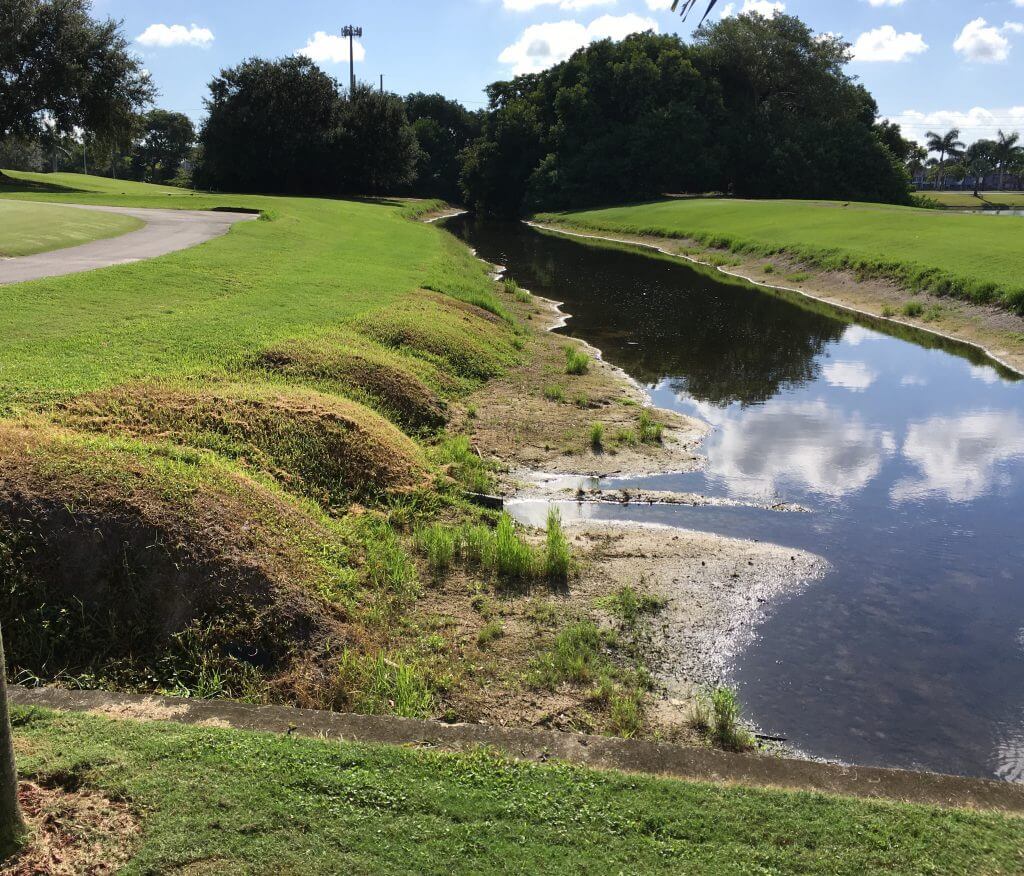
Soil erosion is a natural process that occurs when soil particles are displaced by wind, water, or other environmental factors. While some erosion is inevitable, excessive erosion can lead to loss of topsoil, decreased soil fertility, and environmental degradation. Understanding the different types of soil erosion and implementing effective erosion control measures is essential for protecting soil health and preventing erosion-related issues.
Splash erosion occurs when raindrops hit the soil surface, causing soil particles to splash and dislodge. This type of erosion is typically the first stage in the erosion process and can lead to the formation of larger erosional features if left unchecked.
Sheet erosion occurs when thin layers of soil are gradually removed from the surface, often resulting in a loss of topsoil and reduced soil fertility. This type of erosion is common on sloping terrain and can be exacerbated by heavy rainfall or improper land management practices.
Rill erosion occurs when small channels, known as rills, form on the soil surface due to the concentrated flow of water. These channels can deepen over time, leading to further erosion and the loss of soil nutrients.
Gully erosion occurs when larger channels, known as gullies, form on the soil surface due to the rapid flow of water. Gullies are typically deeper and wider than rills and can cause significant damage to agricultural land and infrastructure.
Tunnel erosion occurs when water infiltrates the soil and creates tunnels or pipes beneath the surface. These tunnels can weaken the soil structure and lead to subsidence or collapse.
Wind erosion occurs when strong winds blow across the soil surface, lifting and carrying away soil particles. This type of erosion is common in arid and semi-arid regions and can result in the formation of sand dunes and dust storms.
Floodplain erosion occurs when rivers or streams overflow their banks and erode the surrounding floodplain. This type of erosion can lead to the loss of valuable agricultural land and habitat destruction.
Implementing erosion control measures is essential for protecting soil health and preventing erosion-related issues. These measures may include:
By taking proactive steps to prevent soil erosion, you can protect your topsoil and preserve soil health for future generations.
If you’re in need of soil erosion control products or landscaping supplies, contact Texas Erosion Supply today. As a reliable supplier of erosion control products, we offer a wide range of solutions to help you protect your soil and mitigate erosion-related issues.
Find out more by contacting us and get the advice on how to implement drainage solution for your necessities!
