
Professional Erosion
Control and Pipe Supply
VISIT OUR NEW LOCATION IN SHERMAN
Control and Pipe Supply
VISIT OUR NEW LOCATION IN SHERMAN

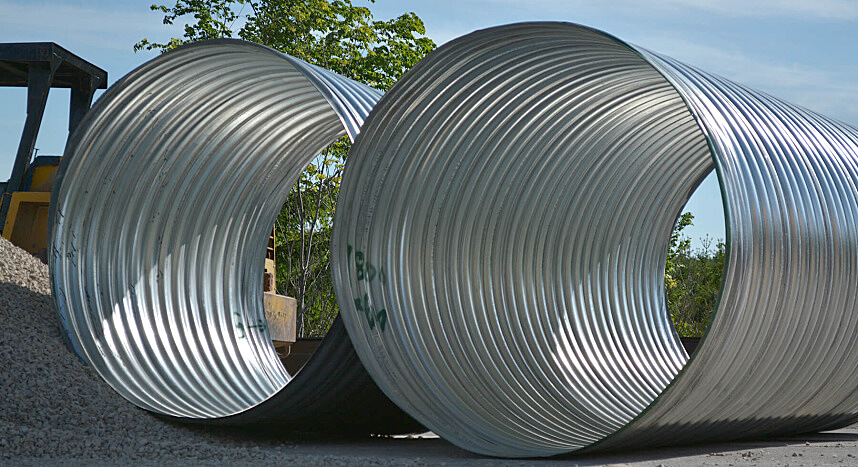
Corrugated metal pipes (CMP) are widely used for stormwater drainage, culverts, and erosion control systems. While durable, over time they can corrode, rust, or collapse — especially when exposed to harsh environmental conditions. When that happens, property owners and contractors often face a critical question: Should you replace or reline the pipe? Let’s break down both options to help you make the right choice for your project.
Pipe lining — sometimes called slip lining or cured-in-place lining — is a trenchless method for restoring the structural integrity of a damaged pipe without digging it out. In this process, a smaller pipe or liner (commonly made from materials like HDPE or PVC) is inserted into the existing CMP. The liner is then secured and sealed, creating a new flow path inside the old pipe.
Benefits of pipe lining:
Pipe lining is ideal for pipes that are still mostly intact but have issues like minor corrosion, leaks, or slight deformations.
Pipe replacement involves the complete removal of the old corrugated metal pipe and installation of a new pipe system. This typically requires excavation, removal of the failing pipe, and backfilling once the new pipe is in place.
Benefits of pipe replacement:
Replacement is often necessary when the existing CMP is too damaged to support a liner, has collapsed sections, or if the system needs to be upgraded for higher capacity.
Deciding between lining and replacement depends on several factors:
Whether you need HDPE pipe for lining, complete pipe replacement products, or erosion control solutions, Texas Erosion Supply has everything you need. We offer reliable products to protect your property and ensure long-lasting performance. Contact Texas Erosion Supply today for expert guidance on erosion control, stormwater management, and high-quality supplies for your next project!
Find out more by contacting us and get the advice on how to implement drainage solution for your necessities!
