
Professional Erosion
Control and Pipe Supply
VISIT OUR NEW LOCATION IN SHERMAN
Control and Pipe Supply
VISIT OUR NEW LOCATION IN SHERMAN

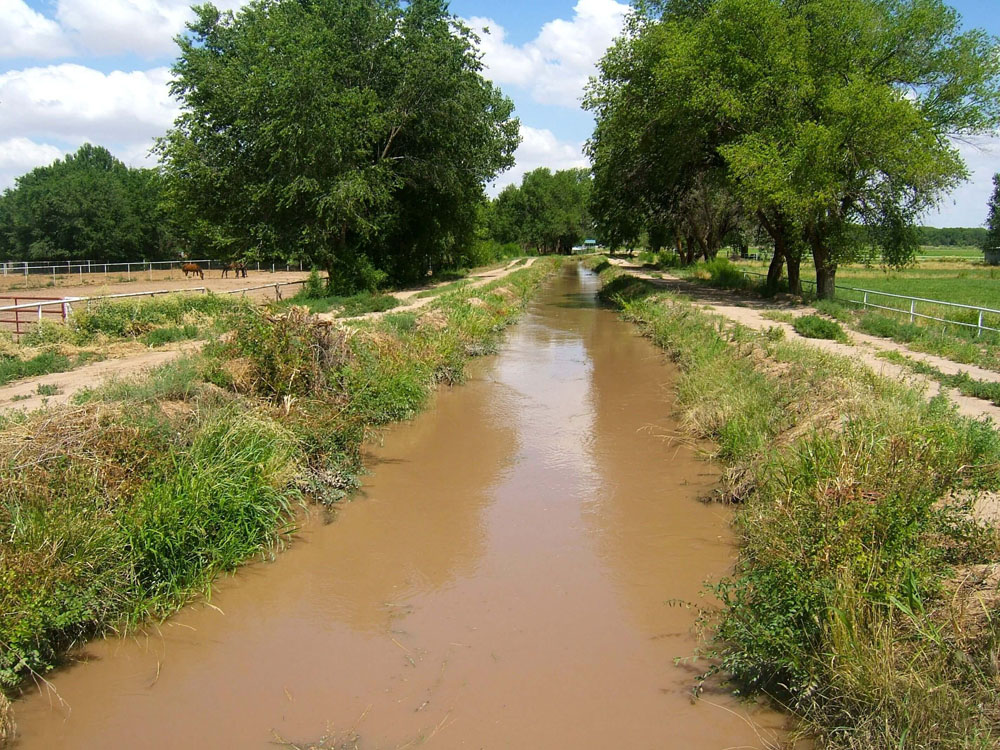
The use of sediment systems for discharging storm water solves many problems. Such designs exclude the problem of excessive moisture in the foundation part of the house, preventing the development of putrefactive processes and the appearance of mold. In addition, such systems save the territory from flooding with storm water, as well as thawed waters, the level of which increases during the spring melting of the snows.
A sediment system is a system consisting of trays, pipes or ditches, dug in the ground, removing water from drains outside the site. This will allow you to avoid stagnant zones on the site (lenses, pools), where water will accumulate, which simply has nowhere to go, and further bogging.
Several types of systems can be identified, with the help of which it is possible to solve the problem of removing rain and melt water.
Usually, water should be diverted from buildings and adjacent areas of the territory. The most inexpensive way to accomplish this is a surface drainage device. As a rule, the site is not ideally horizontal but has a slope in some direction, water will flow there. The main task of the device for surface drainage is the rapid effective drainage of water from the object and its withdrawal from the site or collection in a container.
In areas where precipitation often occurs, especially if the soil’s filtration capacity is low, the advantage is given to the underground drainage, avoiding accumulation of water in the adjacent areas.
Similarly, the installation of an underground drainage system, if it is sufficiently buried, fulfills one more important task – the optimization of the groundwater level, if the level of their standing is high and is above the depth of the underground drainage. This prevents the swamping of the territory. This method requires significant financial investments and is complicated.
Find out more by contacting us and get the advice on how to implement drainage solution for your necessities!
