
Professional Erosion
Control and Pipe Supply
VISIT OUR NEW LOCATION IN SHERMAN
Control and Pipe Supply
VISIT OUR NEW LOCATION IN SHERMAN

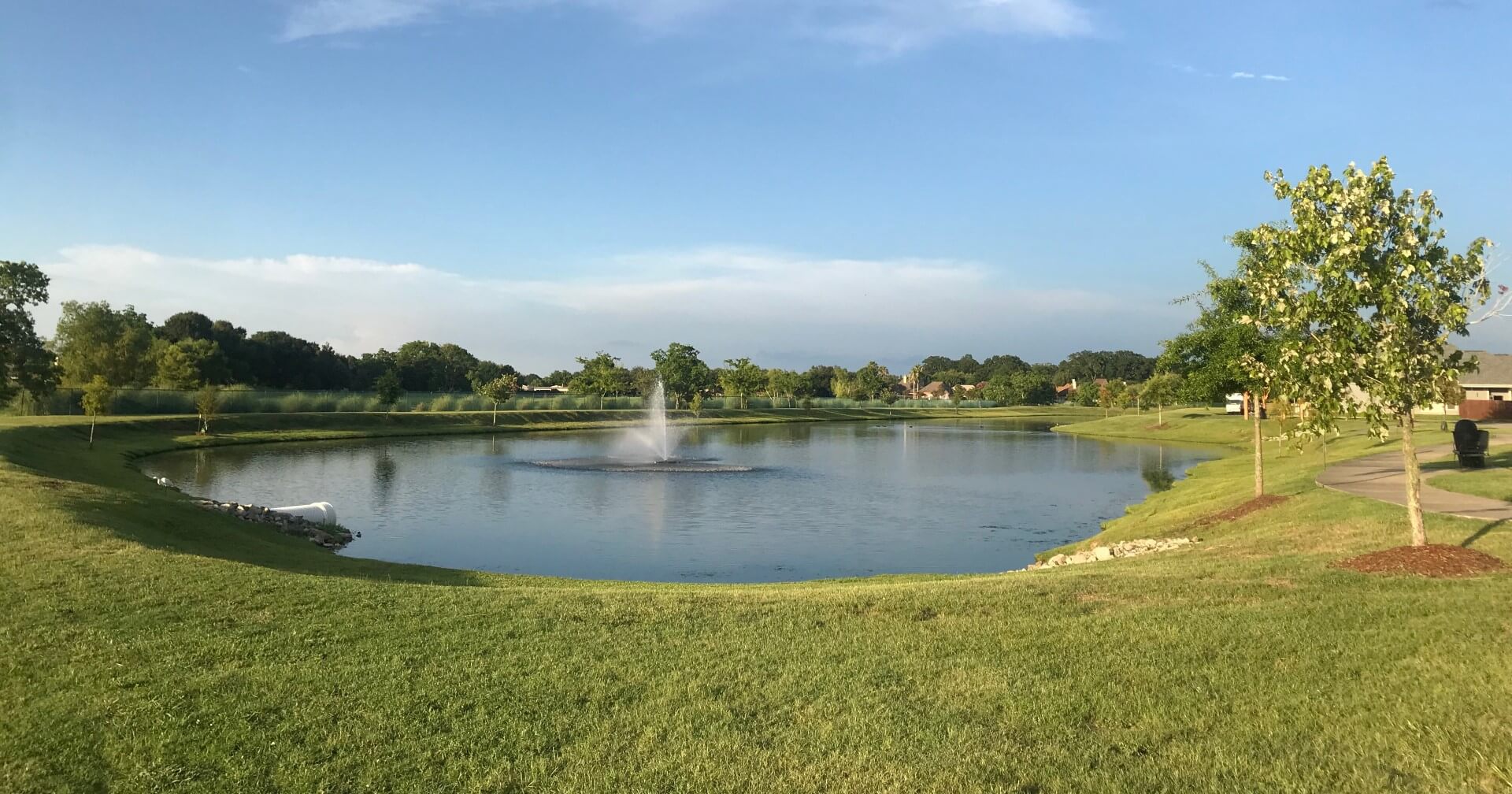
When it comes to stormwater management and erosion control, two common structures often come up: detention ponds and retention ponds. While they might sound similar, these ponds serve distinct purposes and are designed to manage water runoff in different ways. Understanding the key differences can help property owners, contractors, and developers make smarter choices when planning or maintaining a site.
A retention pond, also known as a wet pond, is designed to hold a permanent pool of water. It collects stormwater and keeps it over time, allowing sediment and pollutants to settle before the water is slowly released or naturally evaporates. These ponds not only help control flooding and improve water quality but also enhance the landscape with a natural, pond-like appearance. They’re commonly used in areas where aesthetic appeal and environmental benefits are desired.
A detention pond, or dry pond, is designed to temporarily hold stormwater runoff and then slowly release it into the drainage system. Unlike retention ponds, detention basins typically remain dry between rain events. Their main goal is to prevent flooding by managing peak stormwater flow rates. These are often used in urban areas or places where space and long-term water storage aren’t ideal.
The primary difference lies in water retention.
Retention ponds improve water quality and offer aesthetic value, while detention ponds are typically more utilitarian in appearance and function.
Dry detention basins are the most common form of detention ponds. They’re designed with a gradual slope and an outlet structure that allows water to drain slowly. These basins are ideal for reducing downstream flooding and can also include features like grass lining to assist with erosion control. While simple in design, they require regular inspection to ensure the outlet remains unblocked and functioning.
Wet retention ponds provide both stormwater storage and pollutant removal. They’re particularly effective in capturing sediments, nutrients, and oils from runoff, improving the water quality before it reenters the ecosystem. Because they maintain a constant water level, they’re often landscaped with native plants and can become a habitat for local wildlife.
Both pond types need routine maintenance to function effectively.
Neglecting maintenance can lead to system failure, flooding, or environmental hazards.
Whether you’re managing stormwater with a detention pond or adding a scenic retention pond to your property, Texas Erosion Supply has everything you need to support your project. From erosion control blankets to sediment control products, we’re your one-stop shop for high-quality solutions that get the job done right. Contact Texas Erosion Supply today to learn more about our products and how we can help with your erosion control needs!
Find out more by contacting us and get the advice on how to implement drainage solution for your necessities!
