
Professional Erosion
Control and Pipe Supply
VISIT OUR NEW LOCATION IN SHERMAN
Control and Pipe Supply
VISIT OUR NEW LOCATION IN SHERMAN

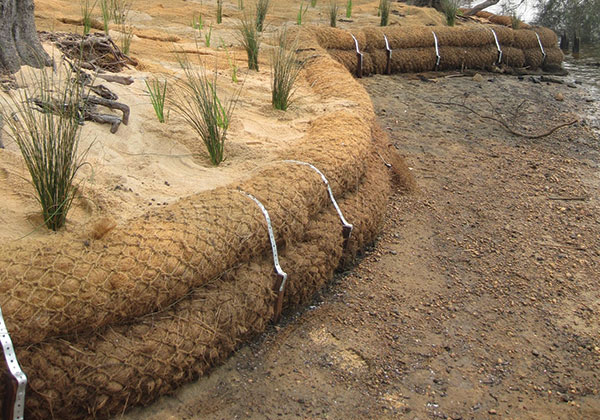
Coconut coir logs, also known as erosion control logs, have become a popular solution for protecting landscapes from soil erosion. Made from natural coconut fibers, these logs are biodegradable and highly effective for stabilizing slopes, streambanks, and shorelines. But how exactly do they work, and what makes them so beneficial for sustainable landscaping?
<h2>Why are Coir Logs so Popular?</h2>
Coir logs have risen in popularity due to their versatility, eco-friendliness, and ability to prevent soil erosion naturally. Since they’re made from coconut husk fibers, coir logs are an all-natural solution that doesn’t harm the environment. Their porous nature allows water to flow through while holding soil in place, which prevents runoff and sediment displacement. Coir logs can even promote vegetation growth, as plants can root through them, adding an extra layer of stabilization.
<h2>The Benefits of Coir Logs in Sustainable Landscaping</h2>
<strong>Eco-Friendly and Biodegradable</strong>: One of the main advantages of coir logs is their biodegradability. Unlike synthetic erosion control solutions, coir logs break down naturally over time, enriching the soil and leaving no harmful residue.
<strong>Long-Lasting Protection</strong>: Even though they’re biodegradable, coir logs are durable and can last several years depending on the environment. This gives plants enough time to establish strong root systems for long-term soil stabilization.
<strong>Erosion Control</strong>: Coir logs are particularly effective at controlling erosion on slopes, shorelines, and areas prone to heavy rainfall. They help trap sediment and slow down water flow, reducing the risk of landslides and erosion damage.
<strong>Promotes Vegetation Growth</strong>: Coir logs create a stable base where seeds can take root. As plants grow through the logs, their root systems further secure the soil, making the area more resilient to erosion.
<h2>Best Practices for Using Coir Logs in Landscaping</h2>
When using coconut coir logs in landscaping, there are some best practices to ensure optimal results:
<ul>
<li><strong>Placement is Key</strong>: Place coir logs along the contours of slopes, streambanks, or shorelines where erosion is likely to occur. Positioning them correctly helps to control water flow and stabilize the soil.</li>
<li><strong>Secure the Logs</strong>: Use wooden stakes or biodegradable pins to secure the logs in place. This prevents them from shifting during heavy rainfall or strong currents.</li>
<li><strong>Combine with Native Plants</strong>: For the best long-term results, combine coir logs with native vegetation. As the plants grow, their roots intertwine with the coir fibers, adding extra stabilization to the soil.</li>
</ul>
<h2>Why Choose Texas Erosion Supply as Your Supplier?</h2>
If you’re in need of erosion control products like coconut coir logs, Texas Erosion Supply has you covered. With a wide range of erosion control solutions and lawn care products, we ensure high-quality materials for every landscaping need. Our experienced team can guide you in choosing the right products for your project, ensuring you achieve the best results.
<h2>Contact Texas Erosion Supply Today!</h2>
Whether you’re working on slope stabilization, streambank protection, or any other landscaping project, Texas Erosion Supply has everything you need for effective <a href="/products/erosion-control/erosion-control-blankets/">erosion control</a> and lawn care. <a href="/contact-us/">Contact us</a> today to learn more about our products and how we can help protect your landscape!
On steep slopes, coir logs are often paired with an erosion control blanket installed on the slope above — our step-by-step ECB installation guide covers the combined slope stabilization approach.
Find out more by contacting us and get the advice on how to implement drainage solution for your necessities!
